implants placed
since 2004 — single surgeon, single operatory
osseointegration success rate
titanium-to-bone fusion confirmed at 6-month imaging
same-day teeth
from first incision to walking out with temporaries
3 questions · no insurance required · results in 60 seconds
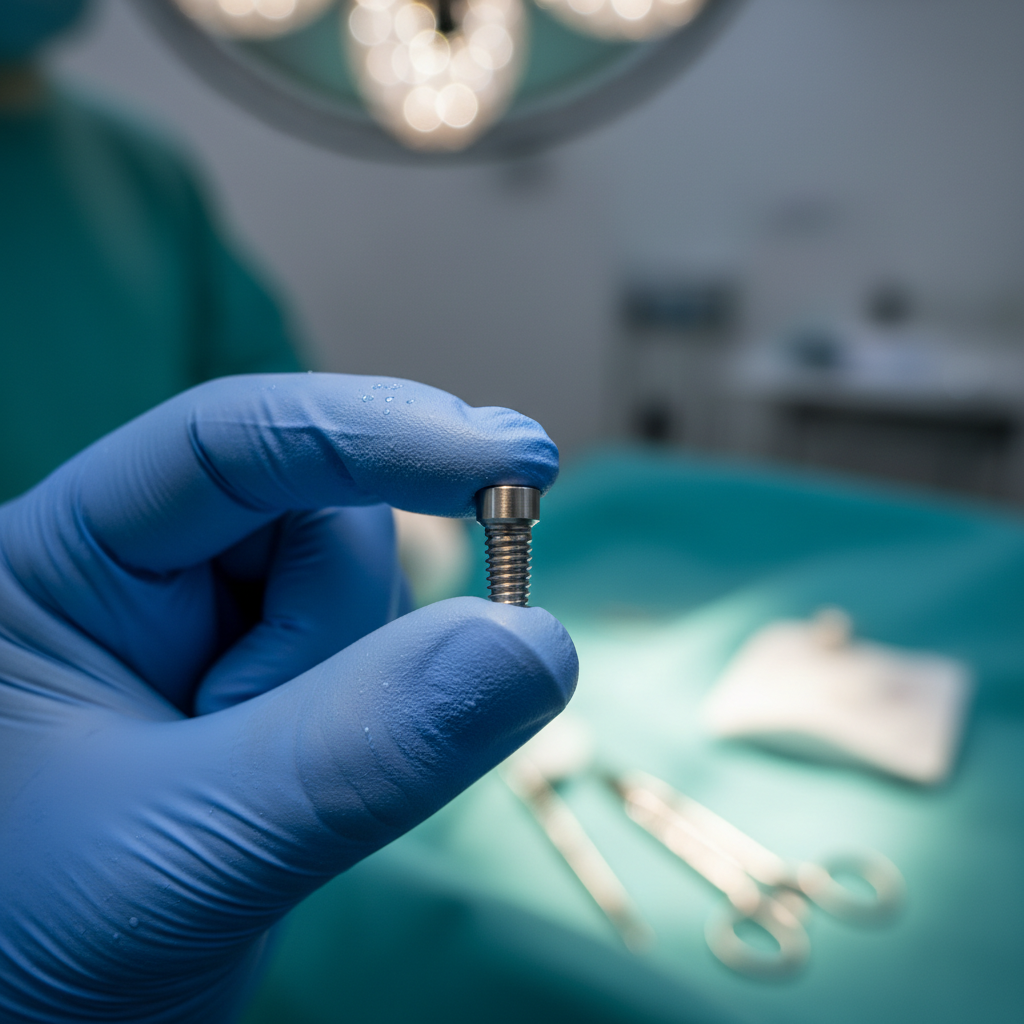
Straumann SLActive® titanium · 3.3–4.8 mm diameter ·
photographed in Operatory 1, February 2026
What happens, step by step.
Four phases. Plain language. No clinical jargon unless it earns its place.
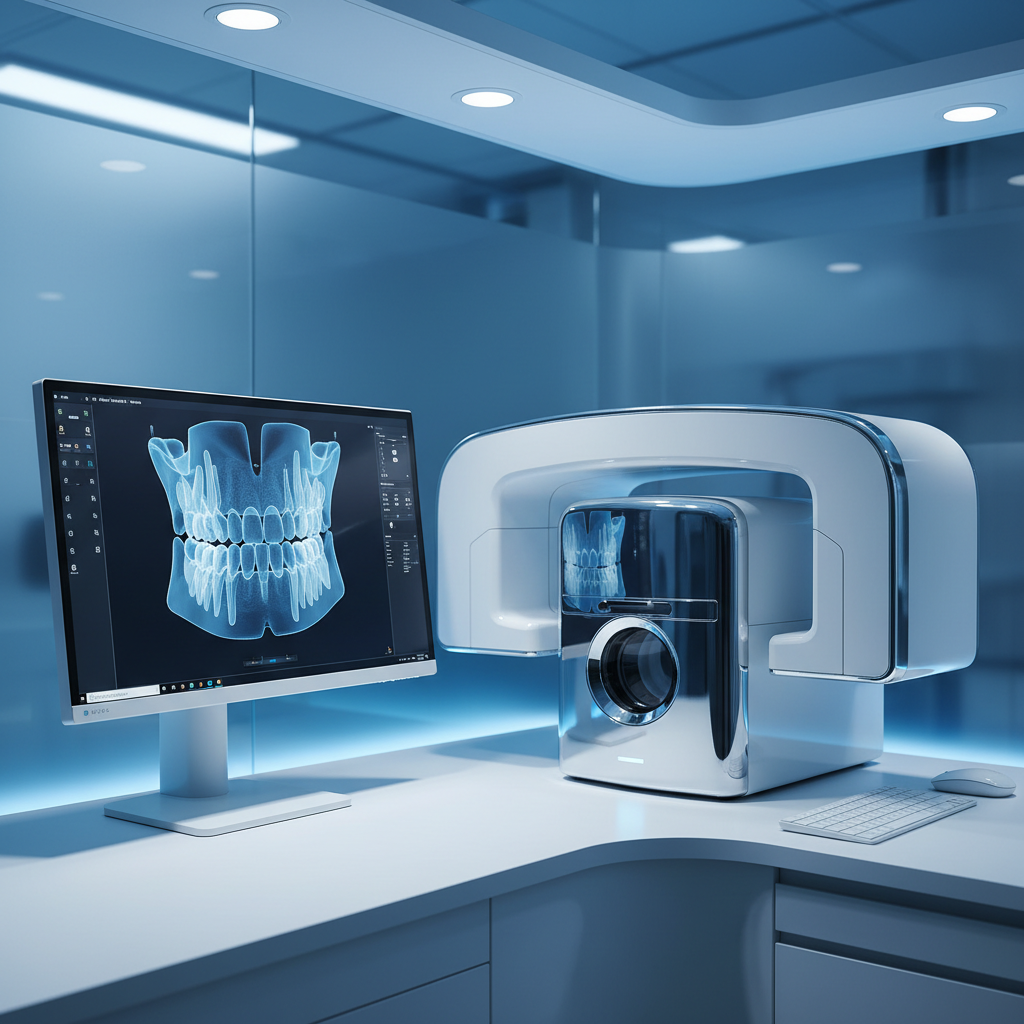
Cone-Beam CT Scan & Treatment Plan
You arrive with questions. You leave with a printed treatment plan, a 3D model of your jaw, and a clear price. The CBCT scanner rotates around your head in 14 seconds. The resulting data shows bone density, nerve position, sinus floor — every variable that determines whether you're a candidate and which implant diameter fits.
- CBCT scan: 14-second rotation, 0.2 mSv — less than a cross-country flight
- Digital bite analysis identifies opposing tooth pressure points
- Surgical guide designed same day using Nobel Clinician® software
- Written treatment plan with itemized costs — no estimate ranges
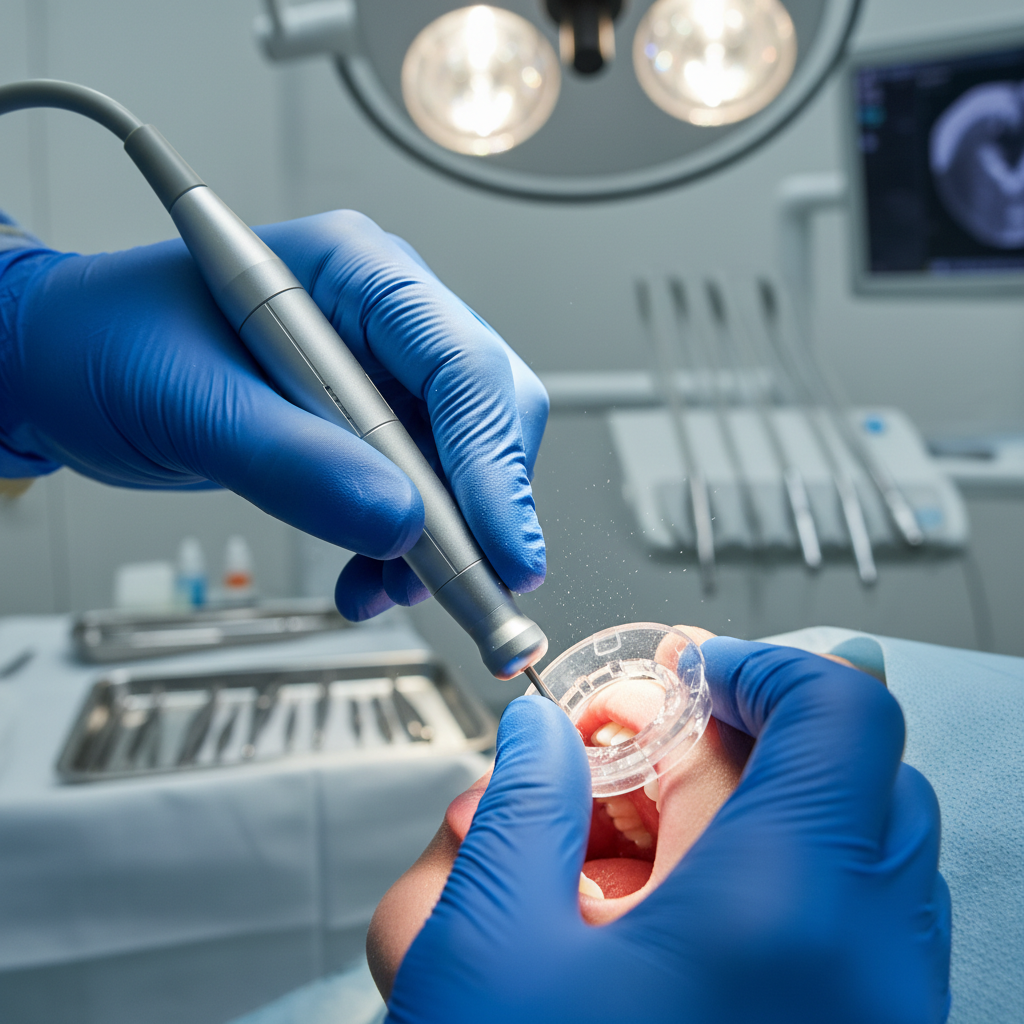
Guided Implant Surgery
The surgical guide — a precision-milled acrylic sleeve — locks the drill to the exact angle and depth the CBCT scan determined. There is no freehand guesswork. The titanium post threads into the prepared site. If bone density permits, a same-day temporary crown is attached before you leave.
- Keyhole surgery: 3 mm incision, no flap required in most cases
- Nobel Parallel CC® implants — 15-year documented survival data
- Guided drill protocol: ±0.1 mm positional accuracy
- Same-day temporaries placed when ISQ torque reading ≥ 35 Ncm
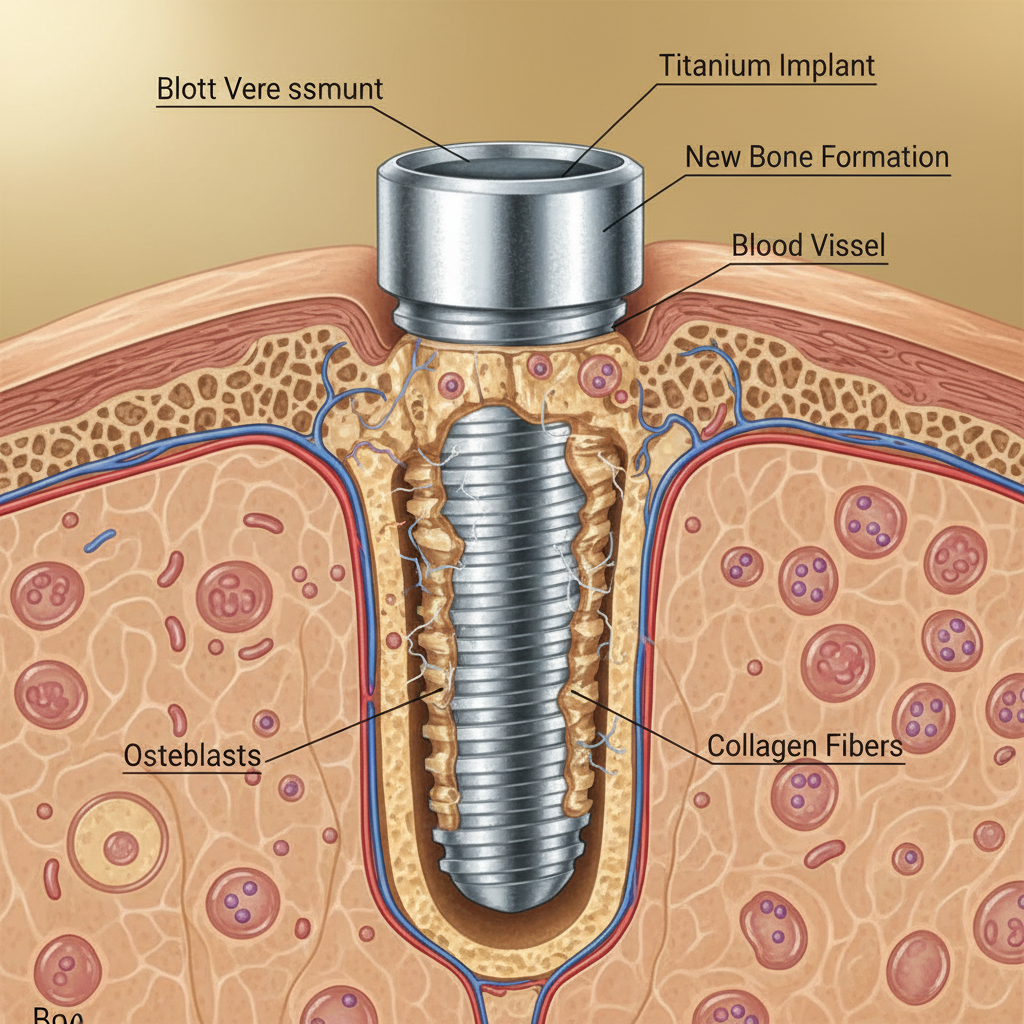
Bone Fusion & Healing Abutment
Titanium is the only metal the human body does not recognize as foreign. Over 8 to 16 weeks, osteoblasts grow directly onto the implant surface — a process called osseointegration. You return at week 8 for a resonance frequency analysis. A passing ISQ score of ≥ 70 clears you for the final crown.
- SLActive® surface: hydrophilic micro-texture accelerates cell attachment
- Healing abutment shapes the soft tissue into a natural gingival cuff
- Diet restriction: soft foods for 2 weeks, normal eating by week 3
- Week 8 RFA measurement — objective pass/fail, no guesswork
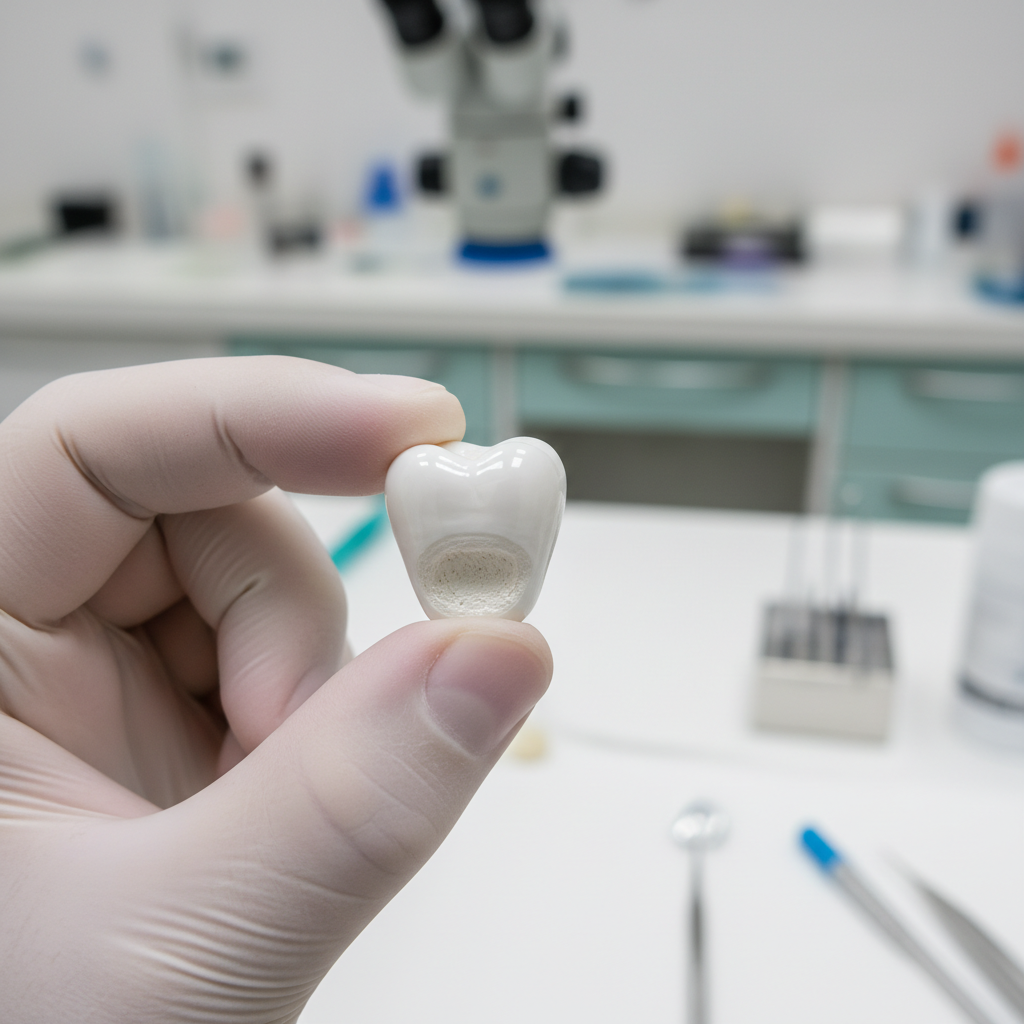
Porcelain Crown Delivery
The final crown is milled from a single block of zirconia — the same material used in hip replacements. Color is matched to adjacent teeth under three lighting conditions. The crown is torque-seated to 35 Ncm, the access hole sealed with composite, and you bite into a fresh apple on the way out.
- IPS e.max® or Katana® zirconia — 10-year fracture resistance data
- Shade matching under daylight, incandescent, and UV light
- Occlusal adjustment with T-Scan III digital bite analysis
- CEREC® same-day milling available for single-unit restorations
Three patients.
Three reasons.
Not curated success stories — representative cases across the three most common presentations we treat.

Placed March 2025 · Crown delivered June 2025
"I had been covering my smile in board meetings for three years. The temporary they placed the same day looked better than the bridge I'd been hiding. I stopped thinking about it by week two."

All-on-4 placed October 2024 · Final prosthesis January 2025
"My grandchildren noticed before I told them. The clicking just stopped."

6 implants placed · Completed 14 months post-accident
"Eleven months after the accident I ate an apple. That was the moment I knew it was over — the reconstruction, the recovery, all of it."
avg. patient rating
847 verified reviews
revision rate
industry avg. 7–12%
in practice
same surgeon, same address
Typical Candidates
You likely qualify
if any of these apply.
- Missing one or more teeth — any cause
- Wearing a partial or full denture
- Living with a failing bridge or crown
- Medically stable (controlled diabetes is acceptable)
- Non-smoker or willing to pause for 8 weeks
Bone loss, gum disease, and prior implant failures are evaluated case-by-case. The 3D scan determines candidacy — not a phone screening.
Next Step
Find out in
60 seconds.
Three questions. No insurance information. No phone number. If you qualify, you'll see available consultation slots immediately.